The journey of casinos tracing the historical evolution from ancient games to modern gambling
The Origins of Gambling: Ancient Civilizations
The origins of gambling can be traced back to ancient civilizations, where games of chance formed an integral part of societal rituals. Archaeological findings indicate that dice games were played in Mesopotamia around 3000 BC. These early forms of gambling often involved betting on the outcomes of games, which were believed to be influenced by deities. The use of dice made these games a matter of luck, attracting not just local players but also becoming a social activity that transcended cultural boundaries. To further explore such exciting experiences, you can visit https://evolveyourfuture.co.uk.

In ancient China, around 200 BC, the game of Keno emerged, allowing players to wager on the outcome of drawn numbers. This not only set the precedent for modern lotteries but also highlighted the intertwining of luck and skill in gambling. The Chinese also played various card games, emphasizing strategy alongside the chance element. This duality between skill and luck became a central theme in the evolution of gambling practices through the ages.
The Romans advanced gambling by integrating it into their military and social lives. Their fascination with dice games and betting on gladiatorial contests fostered an environment where games of chance flourished. Such activities were often accompanied by strict regulations, reflecting the societal acceptance of gambling. This cultural integration laid the groundwork for the development of more structured gambling establishments, heralding the transition from informal games to organized gambling venues.
The Middle Ages: The Rise of Formal Gambling Houses
As societies progressed into the Middle Ages, gambling began to formalize. This era saw the establishment of the first gambling houses, primarily in Italy and France. These venues catered to the elite, providing a refined space for betting and gaming. The proliferation of card games such as poker and blackjack during this period emphasized the role of skill, strategy, and luck, transforming gambling into a sophisticated pastime for the aristocracy.
The introduction of the roulette wheel in the 17th century marked a significant milestone in the history of casinos. This game combined elements of chance and strategy, appealing to a broader audience. The allure of spinning the wheel and the anticipation of landing on a winning number created an exhilarating experience for players, making roulette a staple in gambling establishments. The emergence of such games further cemented the casino’s role in entertainment and leisure activities.
The establishment of the Casino di Venezia in 1638, recognized as the world’s first official casino, set the tone for future gambling venues. This establishment introduced an atmosphere of glamour and exclusivity, attracting a wide array of patrons. The growing popularity of casinos indicated a shift in gambling culture, as it transitioned from isolated gatherings to structured entertainment experiences, showcasing the interplay of luck and skill in diverse games.
The Enlightenment and Industrial Revolution: Expansion of Gambling Culture
The Enlightenment period brought about significant changes in the perception of gambling, aligning it with notions of rationality and social order. This era saw the emergence of various betting systems and strategies, particularly in card games. Gambling literature began to flourish, introducing players to mathematical theories that could potentially improve their odds. This intellectual engagement highlighted the dynamic relationship between skill and luck, as players sought to gain an edge over their opponents.
The Industrial Revolution further transformed the gambling landscape with the advent of commercialized gaming. The proliferation of railways allowed casinos to emerge in more accessible locations, catering to a growing middle class seeking leisure activities. With the establishment of iconic venues such as Monte Carlo in the late 19th century, gambling was now synonymous with luxury and adventure. The thrill of high-stakes gaming attracted tourists and socialites, emphasizing the convergence of entertainment and economic opportunity.
This era also witnessed the establishment of betting on sports, bringing a new dimension to gambling. Horse racing became immensely popular, leading to the creation of betting shops and wagering systems. The interaction between chance, as seen in horse outcomes, and skill, in understanding race dynamics, added depth to the gambling experience, appealing to a wider audience. This combination laid the groundwork for modern betting systems that continue to thrive today.
The 20th Century: Regulation and the Modern Casino Era
The 20th century ushered in a new era of gambling, marked by increased regulation and the rise of modern casinos. Following the Great Depression, states recognized the potential for gambling to stimulate economic recovery. This led to the legalization of casinos in various regions, with Nevada becoming a prominent gambling hub by the 1930s. Las Vegas epitomized this evolution, transforming from a desert town to a world-renowned gambling destination, attracting millions seeking entertainment and fortune.
The introduction of slot machines in the early 20th century revolutionized gambling. Their simple mechanics offered players instant gratification, blending luck with the thrill of winning. This accessibility broadened the appeal of gambling to those who may have previously been intimidated by complex card games. The rapid innovation in gaming technology set the stage for the diverse range of games available in modern casinos, further integrating luck and skill in gaming experiences.
The advent of the internet in the late 20th century marked another paradigm shift. Online casinos began to emerge, providing a virtual platform for players to engage in gambling from the comfort of their homes. This digital transformation not only expanded the reach of gambling but also introduced new games and betting systems. Players could now enjoy classic games with a modern twist, all while experiencing the thrill of chance and strategy in a digital format.
Modern Gambling: The Fusion of Technology and Tradition
Today, the gambling landscape is characterized by the fusion of technology and traditional gaming practices. Online casinos and mobile gaming have made it possible for players to enjoy a vast array of games at their fingertips. Virtual reality and live dealer options are redefining the gaming experience, allowing players to engage in immersive environments that mirror the excitement of physical casinos. This evolution underscores the continuous interplay between luck and skill in modern gaming.
The rise of sports betting has also reshaped the gambling industry, with many states legalizing it. This trend reflects a growing acceptance of gambling as a legitimate form of entertainment. Players can now leverage their knowledge of sports, combining skill with luck when placing bets. The integration of analytics and data has made betting more strategic, illustrating how skill can significantly impact the outcomes of wagers.
Furthermore, the emergence of responsible gaming initiatives highlights a shift towards prioritizing player safety in the gambling industry. Casinos are increasingly adopting measures to promote responsible gambling, emphasizing education about the role of luck and skill. This focus on player well-being indicates a mature approach to gambling, aiming to balance the thrill of the game with responsible practices.
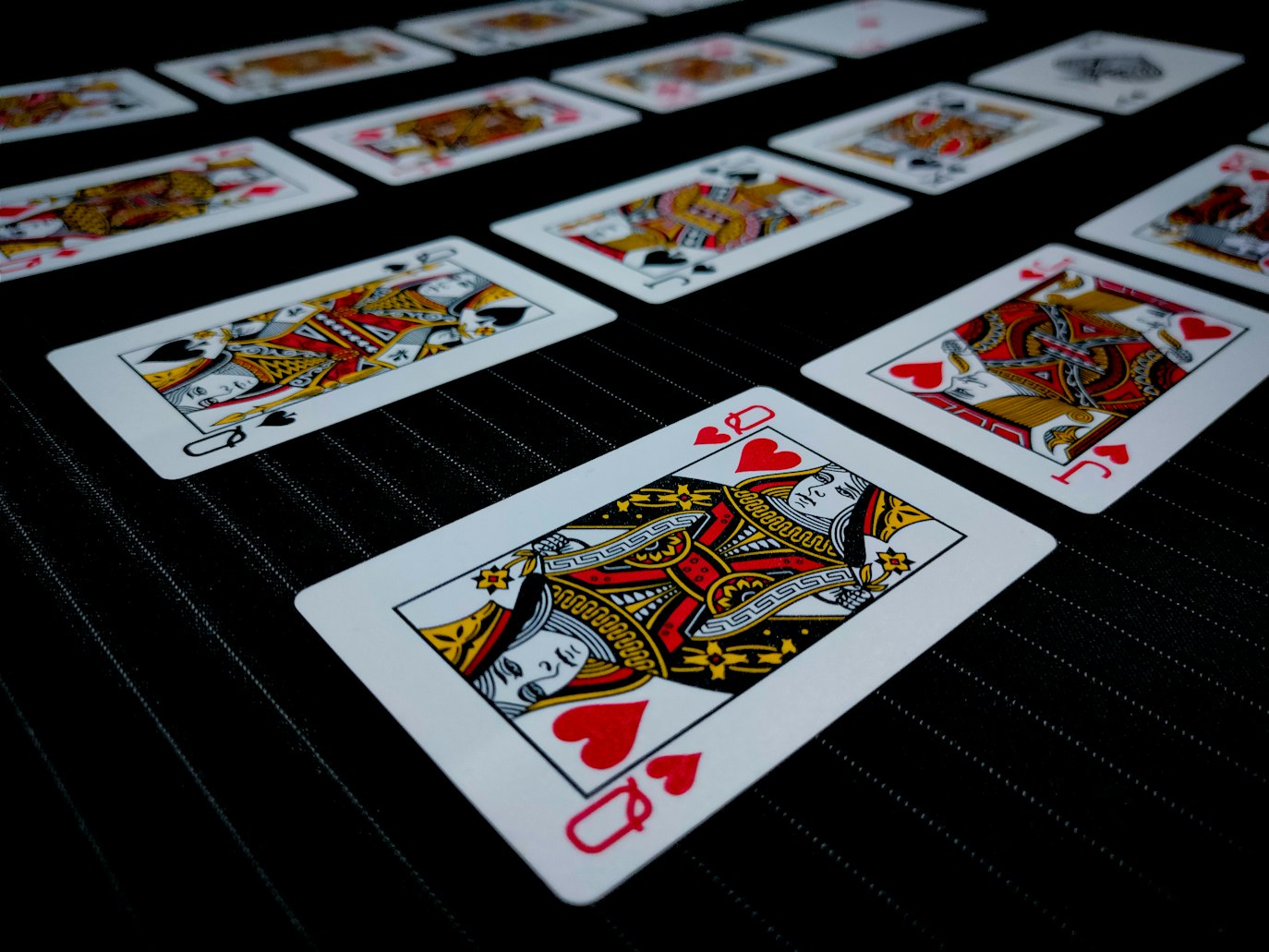
Exploring Online Gaming: Vipzino Casino
In the modern landscape of online gaming, platforms like Vipzino Casino offer a unique experience tailored to players’ desires. With an extensive selection of over 5,000 games, including popular slots and table games, it caters to diverse preferences. The incorporation of live dealer options adds a layer of authenticity, replicating the thrill of traditional casinos. Players can immerse themselves in an engaging environment while enjoying the convenience of online play.
Vipzino Casino also emphasizes player satisfaction through generous bonuses and promotions, enhancing the gaming experience. Their welcome package, which offers a 500% bonus up to €1,500 and 500 free spins, illustrates a commitment to attracting and retaining players. This approach not only enhances the thrill of gaming but also reflects an understanding of the competitive online landscape.
Ensuring player security is paramount for platforms like Vipzino. By implementing robust security measures and facilitating fast payouts, they create a trustworthy environment for users. The focus on player experience, combined with a commitment to safety, showcases the evolution of casinos into a modern, innovative industry that continues to thrive, blending tradition with cutting-edge technology.