Exploring the psychological thrills of high-stakes gambling decisions
The Allure of Risk: Understanding High-Stakes Gambling
High-stakes gambling has always captivated individuals seeking the thrill of risk and reward. The psychological appeal of placing large bets can often outweigh the potential for loss, as players find themselves in a battle against their instincts. The adrenaline rush that comes with wagering significant amounts of money can create a euphoric experience, leading to heightened emotions and a sense of empowerment. In this context, players appreciate facilities that offer online casino neosurf, enhancing their engagement with the gaming world. This psychological high attracts many gamblers, making high-stakes environments particularly magnetic.

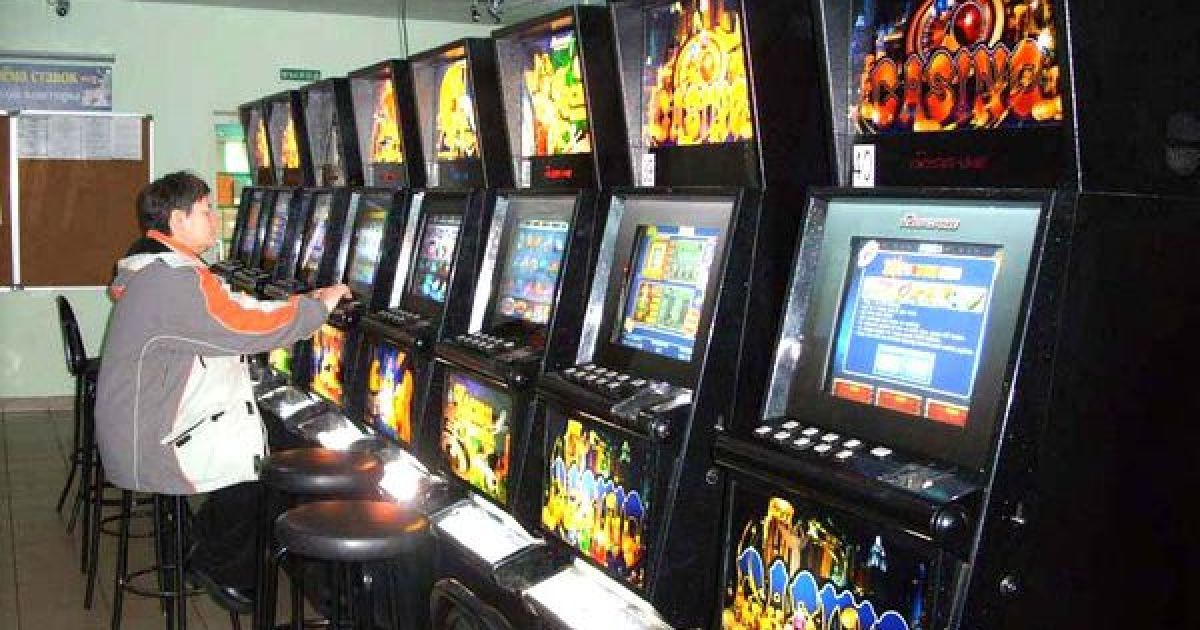
Moreover, the environment in which high-stakes gambling occurs contributes significantly to the psychological experience. Luxurious casinos filled with flashing lights, rich decor, and the sounds of spinning wheels evoke a sense of urgency and excitement. This carefully curated atmosphere heightens anticipation, drawing players deeper into the thrill of their decisions. This can lead to impulsive choices as the excitement drowns out rational thought, compelling individuals to continue gambling despite potential negative consequences.
The interplay between risk-taking behavior and psychological conditioning plays a crucial role in high-stakes gambling. Gamblers often become conditioned to seek out these thrilling experiences, leading to repetitive behavior patterns. The anticipation of a big win may trigger the release of dopamine in the brain, reinforcing the desire to place larger bets over time. This can create a cycle where the gambler becomes increasingly drawn to high-stakes scenarios, viewing their decisions as not just financial, but emotionally rewarding as well.
The Psychology of Decision-Making Under Pressure
Making decisions in high-stakes gambling situations is laden with psychological pressure that affects cognitive functioning. When faced with the possibility of winning or losing significant sums, individuals often experience heightened stress and anxiety. This emotional turmoil can skew decision-making processes, leading individuals to rely more on gut feelings rather than logical reasoning. Research shows that stress can impair our ability to analyze situations critically, pushing gamblers towards riskier choices than they might normally consider.
The concept of loss aversion plays a crucial role in this dynamic. Gamblers are often more affected by potential losses than by equivalent gains, causing them to react emotionally to their situations. This can lead to chasing losses, where players continue to gamble in hopes of recovering what they have lost, despite the mounting risks involved. Such behavior illustrates the psychological traps that high-stakes environments can create, as individuals cling to the hope of a significant turnaround.
Furthermore, the fear of missing out (FOMO) can intensify decision-making dilemmas in high-stakes settings. Players often feel compelled to join in on games or bets to avoid feeling left out, even if it means risking their financial stability. This social aspect further complicates the psychological landscape, making individuals more susceptible to poor decisions as they seek to validate their choices within the group. The interplay of these psychological factors can lead to increasingly reckless behavior in the pursuit of excitement and belonging.
The Role of Cognitive Biases in Gambling Decisions
Cognitive biases significantly influence how gamblers perceive risk and reward in high-stakes scenarios. One common bias is the illusion of control, where players mistakenly believe they can influence outcomes that are fundamentally random. This belief can encourage individuals to take greater risks, as they feel empowered to change their fortunes through their actions. However, this illusion can lead to disastrous consequences, as gamblers may overlook the inherent unpredictability of games.
Confirmation bias is another psychological trap that can skew gambling decisions. Players often seek out information or experiences that affirm their beliefs about winning strategies, ignoring evidence to the contrary. This selective perception can reinforce poor decision-making, leading individuals to continue investing in losing strategies. The failure to recognize these biases often traps gamblers in a cycle of negative reinforcement, where they continue to chase losses without learning from past experiences.
Understanding these cognitive biases is crucial for responsible gambling. Recognizing how these mental shortcuts can lead to miscalculations helps gamblers approach their decisions with greater awareness. By mitigating the influence of cognitive biases, players can make more informed choices, improving their overall gambling experience. This approach not only enhances enjoyment but also encourages a healthier relationship with gambling as a whole.
The Consequences of High-Stakes Gambling
The consequences of high-stakes gambling can extend far beyond financial implications, affecting psychological well-being and personal relationships. Gamblers who engage in high-stakes betting may experience escalating debt and financial strain, leading to stress and anxiety that permeate their everyday lives. This financial pressure can create a vicious cycle, where the need to recover losses drives individuals to gamble even more recklessly, often leading to a destructive path.
Additionally, the emotional toll of high-stakes gambling can strain personal relationships. Friends and family members may become concerned or frustrated with the gambler’s choices, leading to social isolation and conflict. This disconnection can further exacerbate the gambler’s emotional state, creating a feedback loop of loneliness and desperation. As relationships deteriorate, individuals may find themselves increasingly reliant on gambling as their primary source of fulfillment.
Moreover, the stigma surrounding problem gambling can hinder individuals from seeking help. Many people fear judgment or ridicule, preventing them from addressing their gambling issues in a constructive manner. This silence can further entrench their struggles, leading to a cycle of denial and escalation. Understanding the consequences of high-stakes gambling is essential for promoting responsible gaming practices and providing support for those who may be struggling.
Explore Responsible Gambling Practices with Us
At our platform, we prioritize responsible gambling and aim to create a safe environment for all players. We provide comprehensive resources that guide individuals through the complexities of high-stakes gambling decisions, emphasizing the importance of self-awareness and sound decision-making. Our aim is to empower players with the knowledge they need to make informed choices, recognizing their limits and fostering a healthy relationship with gambling.
Additionally, we understand the significance of secure transactions and player privacy. Our platform offers a range of options for depositing and withdrawing funds, ensuring that users feel protected while enjoying their gaming experiences. By promoting transparency and responsible practices, we strive to enhance the overall experience for our players, creating an environment where excitement and safety coexist harmoniously.
Our commitment to supporting responsible gaming extends beyond providing information; we also offer tools and strategies for managing gambling behavior. By understanding the psychological thrills and challenges of high-stakes decisions, we aim to guide our users towards more positive outcomes in their gambling experiences. Join us in exploring these thrilling realms, equipped with the resources necessary for responsible play.