Cultural significance of casinos in global entertainment landscapes
The Evolution of Casinos as Cultural Institutions
Casinos have evolved from simple gambling houses in ancient civilizations to complex entertainment hubs that reflect cultural narratives around the globe. In places like Venice and Monte Carlo, casinos symbolize luxury and opulence, attracting those seeking both thrills and social status. This evolution illustrates how gambling has transitioned from a clandestine activity into an accepted form of leisure, deeply woven into the cultural fabric of various societies. An excellent example is queenplay, which exemplifies the modern shift towards online gaming experiences.
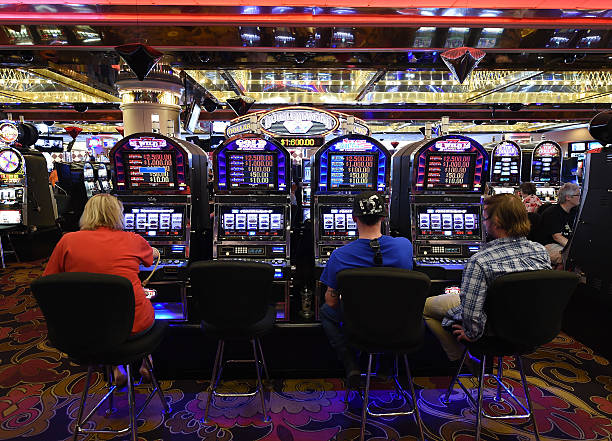
The cultural significance of casinos is often tied to historical moments and shifts in societal attitudes. For instance, Las Vegas emerged as a gambling capital in the mid-20th century, fueled by post-war prosperity and a burgeoning tourist economy. The city became a cultural phenomenon, drawing people worldwide and transforming the perception of casinos from mere gambling venues to vibrant entertainment spaces that offer shows, dining, and nightlife, thus reshaping global perceptions of leisure.
Moreover, casinos often serve as platforms for storytelling and artistic expression. They are frequently featured in movies, literature, and art, showcasing the allure and moral dilemmas associated with gambling. This representation fosters a dialogue about risk, reward, and the human experience, further embedding casinos within cultural contexts. Whether in films like “Casino Royale” or classic novels, they provide a stage for exploring broader themes of chance, fortune, and human behavior.
Casinos as Social Spaces
Beyond gambling, casinos function as crucial social spaces where diverse groups converge. They often serve as gathering spots that facilitate social interaction, creating a unique microcosm of society. People from different walks of life come together, united by the thrill of the game and the shared experience of entertainment. This social aspect enhances the cultural significance of casinos, making them not only venues for gambling but also places where connections are formed and cultures collide.
The design and architecture of casinos further emphasize their role as social spaces. Lavish interiors, grand performances, and themed environments cater to varied tastes, enhancing the entertainment experience. For example, themed casinos in Las Vegas often recreate famous landmarks, providing a sense of escapism and novelty that attracts tourists. This environment stimulates social engagement, encouraging visitors to share experiences, celebrate milestones, and enjoy memorable moments together.
Additionally, casinos often host events, from poker tournaments to live concerts, attracting large crowds and promoting community engagement. These events can draw significant attention from local and international audiences, further solidifying the casino’s role in the cultural landscape. By acting as a bridge between various entertainment forms, casinos help create a vibrant social fabric that celebrates diversity and fosters cultural exchange.
The Economic Impact of Casinos on Culture
The economic influence of casinos extends beyond mere revenue generation; they play a significant role in shaping local and national cultures. Many cities have invested in the development of casinos, recognizing their potential to boost tourism and drive economic growth. This investment often leads to the revitalization of local communities, enhancing public infrastructure and creating jobs, which in turn contributes to the cultural vitality of the region.
As cultural institutions, casinos also support the arts and local talent. Many establishments invest in showcasing local musicians, artists, and performers, creating opportunities for cultural expression and community involvement. By promoting local talent, casinos foster an environment where culture can thrive, creating a dynamic interplay between entertainment and artistic development. This relationship nurtures a sense of identity and pride within the community.
Furthermore, the tourism generated by casinos can lead to cultural exchanges that enrich the local culture. Visitors from around the world bring diverse traditions, customs, and perspectives that can influence local practices and attitudes. This interaction can lead to a blend of cultures that enhances the richness of the community, making casinos pivotal in the cultural evolution of the regions they inhabit.
The Ethical Implications of Gambling Culture
The cultural significance of casinos is not without its challenges, as ethical implications surrounding gambling often provoke debate. Issues such as addiction, financial instability, and moral concerns frequently arise in discussions about the impact of casinos on society. While casinos can contribute positively to cultural and economic landscapes, the potential for adverse effects on individuals and communities cannot be overlooked.
In many cultures, gambling is viewed with skepticism or outright disapproval, often seen as a vice that can lead to destructive behavior. These perspectives shape public policy and influence the regulation of casinos, with varying degrees of acceptance around the world. The balance between promoting entertainment and safeguarding vulnerable populations is a crucial consideration for stakeholders in the industry.
Moreover, responsible gambling initiatives have become an essential part of the casino experience, aiming to mitigate the risks associated with gambling. Educational programs and support systems for individuals struggling with addiction highlight the industry’s awareness of its responsibilities. This commitment not only serves to protect individuals but also reflects a broader societal engagement with the ethical dimensions of gambling culture.
Online Casinos and the Future of Entertainment
The rise of online casinos marks a significant shift in the global entertainment landscape, particularly in how culture interacts with gambling. With the convenience of playing from home, online casinos have opened doors for a broader audience, transcending geographical barriers. This transformation has changed the cultural narrative around gambling, making it more accessible and mainstream.
Online platforms replicate the excitement of traditional casinos while introducing innovative gaming experiences. Virtual reality, live dealer options, and interactive gameplay create immersive environments that engage players in unique ways. This digital evolution not only enhances entertainment but also reshapes social interactions and cultural experiences, as players connect through online communities and social media.
Moreover, the growth of online casinos has prompted discussions about regulation and responsible gaming in a digital context. As this segment continues to flourish, ensuring player protection and ethical practices will be paramount. The future of online gambling will likely involve a blend of entertainment, technology, and cultural sensitivity, reflecting the ongoing evolution of casinos as significant cultural institutions.

Conclusion: The Role of Casinos in Shaping Cultural Narratives
The cultural significance of casinos in global entertainment landscapes is profound, influencing everything from social interactions to economic development. As multifaceted institutions, they embody the complexities of human behavior, blending leisure, risk, and community. Through their evolution, casinos have transformed perceptions of gambling, establishing themselves as vital components of cultural identity across regions.
Casinos are not just places for gaming; they are dynamic environments that foster social connections, support local economies, and promote cultural exchange. The ethical implications of gambling also add layers of complexity to their role in society, highlighting the need for responsible practices and community engagement. As the landscape continues to evolve, both traditional and online casinos will remain pivotal in shaping cultural narratives around entertainment.