Whenever someone in Canada begins a round of Lucky Jet, an old philosophical argument starts alongside the game lucky jet game providers‘s virtual jet. This crash game, well-known from coast to coast, places the concepts of fate and free will into a high-speed clash. The game’s algorithm suggests each round has a fixed, random outcome—pure chance. Yet players hold a moment of pure choice: the decision of when to hit the cash-out button. That tension makes Lucky Jet into a digital arena for a timeless debate. Are players just observing fate unfold, or are they actively piloting their own destiny? The question involves psychology, game design, and how we form decisions when money is on the line.
The core mechanics of Lucky Jet: A game of chance
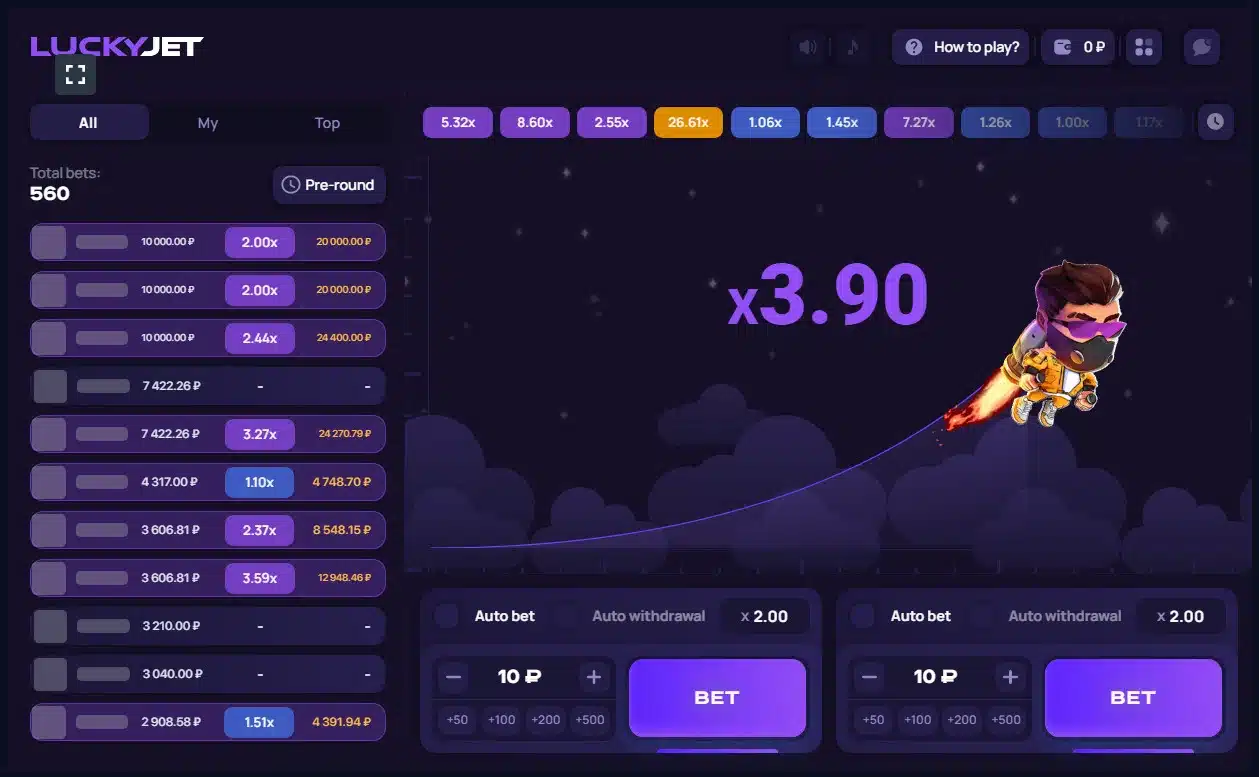
Lucky Jet operates on sophisticated algorithms intended to generate arbitrary, random outcomes. The round commences with a jet starting its climb. The odds ticks upward from 1.00x. The aircraft eventually crashes at a random point, setting everything to zero. Players put a bet before the jet takes off. To win, they must manually click “Cash Out” prior to the crash, freezing the present multiplier. If the jet crashes before they respond, they forfeit their bet. The whole process is driven by a Random Number Generator (RNG). In regulated markets, this RNG is approved for fairness, ensuring each flight’s time is autonomous and random. To the player, this is the aspect of pure luck. The crash moment is determined the moment the round begins, concealed in the code. No ability can foretell the precise moment of disappearance. This places one side of the debate firmly in the world of predetermined outcomes.
The Sense of Control: User Actions in the Now
Even with that inherent randomness, Lucky Jet skillfully fosters a intense perception of control. The cash-out decision appears as a true act of free will. As the multiplier rises, a player weighs greed against caution, a hunch against cold logic. They are not passive. They are executing a key choice that alters their result. This emotion of agency is intense. Players craft personal rituals or “systems,” like always cashing out at 2.00x or waiting for a specific feeling. These habits reinforce the belief that their will influences the outcome. This feeling of control is central to the game’s grip. It transforms a random number generation into a personal duel between the player’s nerve and the game’s hidden fate. The debate sparks right at this crossroads.
The Argument of Fate: The Hidden Algorithm
The “predestination” argument is based on the cold logic of programming code. The outcome of each Lucky Jet round is decided by an intricate algorithm before the jet even appears on screen. The RNG disregards a player’s feelings, past rounds, or cash-out history. It is a neutral digital fate-spinner. From this viewpoint, every win and loss is predetermined from the instant the wager is placed. The player’s withdrawal decision is merely a response to a sequence already in motion. It’s like choosing when to step off a moving walkway whose endpoint is already fixed. The multiplier display is simply a visualization of a predetermined outcome. In regulated regions like Ontario, this randomness is rigorously tested and certified, emphasizing the game’s fate-driven core. Here, the player is just uncovering a predetermined result, not generating one.
Free Will’s Counter: The Strength of the Withdrawal Button
Supporters of free will respond with a simple truth: the preset crash point means little without human decision. The system sets the *potential* environment, but the player’s choice defines the *actual* outcome. Picture two users in the same round with identical bets. The first cashes out at 1.50x for a modest profit. The other turns greedy and loses at 1.49x, losing everything. The decisive crash point was the same for both. Their financial outcomes, though, were vastly different because of their personal choices. This point, the reasoning goes, shows free will in action. The game delivers a framework of risk, and the participant guides through it using judgement, control, or raw impulse. Their choice directly shapes the tale of their session. For many players, this sense of self-responsibility and direct involvement is what turns Lucky Jet beyond a simple game of chance. It turns into a test of character.
Mental Biases at Play in Canadian-based Players
Canadian players are equally susceptible to the cognitive biases that influence the fate versus free will perception. The “gambler’s fallacy” is common. After multiple low multipliers, a player might think a high one is “due,” wrongly imposing a narrative of fate on independent events. The contrary, the “hot-hand fallacy,” occurs when a player who has cashed out profitably a few times thinks their personal luck or skill is in control. Lucky Jet’s fast pace and simple visuals can amplify these biases. The mounting tension and the need for a deliberate cash-out action feed the brain’s desire to identify patterns and exert control over randomness. Recognizing these psychological underpinnings is essential for players who want to engage mindfully. It assists them recognize how their own minds blur the lines between chance and choice.
Strategies and Myths: Where Beliefs Collide
On forums and in groups, Lucky Jet Canadian players exchange a combination of practical methods and deep beliefs. This mix shows the clash of views in effect. Popular approaches include:
- The Fixed Multiplier Strategy: Withdrawing at a particular, small rate like 1.20x to accumulate small returns. This relies on self-control over chance.
- The “Double or Nothing” Approach: Allowing a initial bet continue to a greater multiplier to offset shortfalls, a method that seems like challenging chance straight on.
- Session Budgeting: Employing tight bankroll management, a distinct demonstration of free will to control the general story of a gaming period.
- Pattern Seeking: Observing for “trends” in prior failure points, an endeavor to decode and outwit the algorithm’s destined layout.
No matter if these techniques are data-driven or otherwise, they constitute attempts to apply personal choice on a system of chance. They are customs of mastery in the presence of uncertainty. Their being underscores the fundamental urge to discover agency within unpredictable systems.
Safe Gambling in the Context of Regulation
The predetermination versus free will argument has real implications for responsible gaming in Canada. If a player inclines too hard into the “fate” perspective, they could take on a inactive, defeated mindset. They might think results are entirely out of their control, which can result in impulsive loss-chasing. If they overestimate their free will and “skill,” they might embrace extreme risks, certain they can outthink the algorithm. A more balanced strategy recognizes the dichotomy. It accepts that the crash point is random and unpredictable—that’s fate. It also embraces full accountability of the actions within a player’s power: bet size, cash-out timing, and the vital determination to stop. Canadian authorities and ethical play advocates highlight handling these controllables. They recommend establishing deposit limits, using time-outs, and treating the activity as financed amusement, not an revenue generator. This equitable perspective is the most useful use of the whole philosophical debate.
The Lucky Jet game in the Broader Canadian Gaming Culture
Lucky Jet’s success in Canada stems partly from how it echoes a cultural dilemma. Canadians like games of luck, from national lotteries to casino outings, but they also emphasize pragmatism and smart options. Lucky Jet sits right at this intersection. It provides the quick excitement of a lottery draw while providing the continuous, active option of the cash-out option. It’s a social game where talk revolves around “big wins” (fate’s bounty) and “bad beats” where a player “should have cashed out sooner” (a shortcoming of will). This makes it a compelling topic beyond mere play. It acts as a digital reflection of a larger conversation about how we understand influence and luck in our own lives. The game doesn’t solve the argument. Rather than that, it offers Canadians a stage to encounter and contemplate it in real time.
Exploring the Twofold Reality as a Modern Player
The most liberating stance for a modern Canadian player is to accept Lucky Jet’s twofold reality. Recognize the absolute rule of fate over the algorithm’s arbitrary output. No desire, strategy, or optimal timing can alter the fixed crash point once a round starts. At the identical time, appreciate and exercise your free will over the rest. You manage the amount you stake, the point where you claim winnings, how long you play, and how you react wins and losses. This even view transforms the game from a philosophical puzzle into a simpler activity. You are engaging with a system of chance, utilizing your judgment to manage its risks. By separating what is predetermined (the game’s result) from what is decided (your actions and limits), you can savor the thrilling climb of Lucky Jet. You can keep a steady, responsible, and in the end more pleasurable gaming experience crafted for the reflective Canadian player.