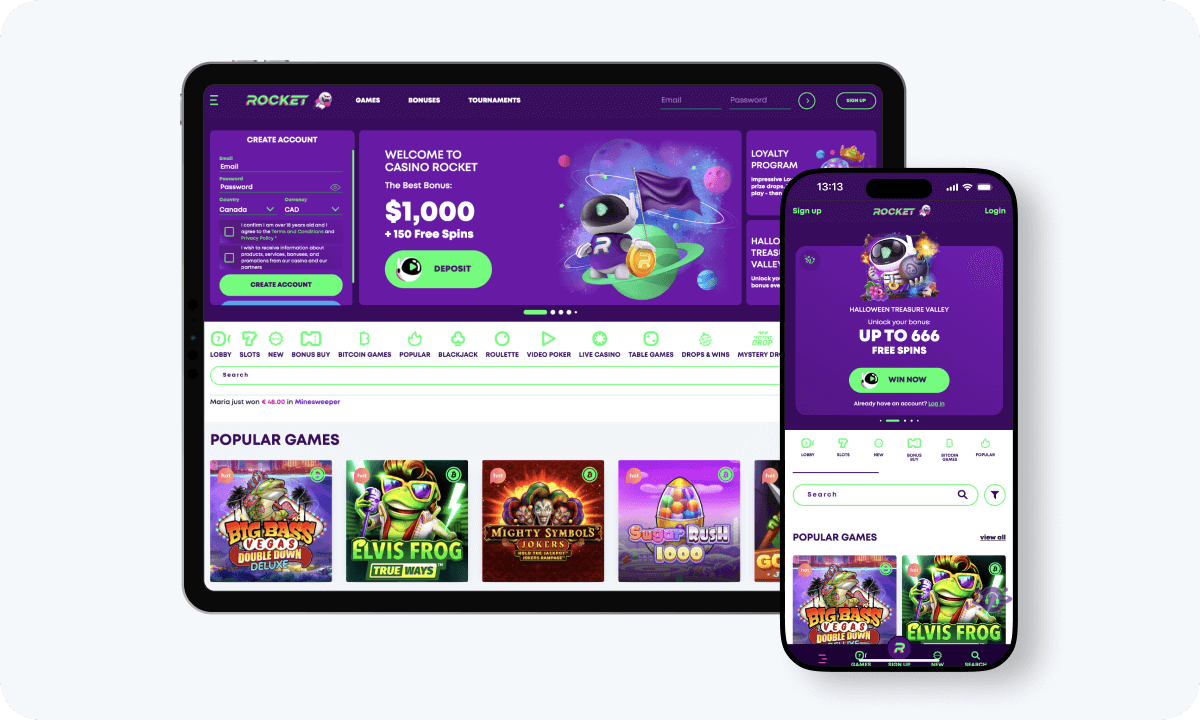
Online gaming is highly competitive. A game’s lasting power depends on beyond its core rules; it needs an interface that feels intuitive. For Rocketongame, this is a deliberate choice. A player-centric design philosophy shapes every click and swipe, creating an environment where engagement feels seamless. This review examines the seven pillars of Rocketon’s UX design, showing how each one is tailored for Canadian players. We’ll explore how intuitive navigation and localized feedback systems deliver a product that feels polished for everyone, yet personally relevant from Vancouver to Halifax.
První. Základ: Na hráče zaměřené Principy designu
Rocketon Game’s UX začíná s prostou představou: potřeby hráče jsou klíčové. Každý krok, od pozice se nachází tlačítko menu po způsob, jakým je veden tutoriál, je posuzována proti skutečnému chování uživatelů a zpětné vazby. Pro uživatele v Kanadě to vede k interface, které vyhovují pro různé stupně digitálního pohodlí a zkušeností s hraním. Dostupnost je integrována hned od startu. Designový tým je přesvědčen, že hráč by nikdy neměl být bezradný nebo podrážděný interfacem. Hra by měla působit jako přirozený nástroj pro jejich záměry. Tento ústřední koncept formuje vše od prvního seznámení až po to, jak se zpracovávají chyby, a posiluje se důvěra a minimalizuje se psychická námaha od úplně prvního hraní.
Klíčové zásady v praxi
Tuto myšlenku je vidět na několika zřetelných způsobech. Hra používá postupné odemykání, tudíž složité funkce jsou odemykány teprve jak roste dovednost hráče. To zabraňuje prvotnímu dojmu přehlcení. Také se drží známými konvencemi pro mobily i stolní počítače, aby kanadští hráči mohli uplatnit znalosti z jiných aplikací z ostatních programů. Pak jsou tu obsáhlé nastavení přístupnosti, například přizpůsobitelné rozhraní a parametry pro barvoslepost. To odpovídá s hodnotami Kanady inkluze. Důsledkem je hra, která otevře náruč příležitostného hráče z oblasti Toronta, který si chce zahrát rychlou hru, ale i potěší nadšence v Montrealu, který chce zvládnout každý detail. Ani jeden z nich nepociťuje zklamání prostředím.
2. Intuitive Menu System and Content Structure
Superb UX often appears instinctive. You simply recognize where to go. Rocketon Game understands this by careful information architecture that groups features logically. The main navigation keeps in a consistent spot and applies clear labels, steering clear of jargon that could not function across Canada’s bilingual culture. Secondary menus pop up only when you require them, preserving screens clean. This logical setup is key for keeping players who manage multiple games. Someone in Calgary needs to be able to come back after a week off and find their bearings immediately. Switching between major modes, like switching from a solo mission to a multiplayer lobby, is seamless, with visual and sound cues to facilitate the way.
Organizing the Player’s Journey
The architecture accommodates two types of players: the goal-oriented and the explorer. If you possess a specific target, the path to critical tools like your inventory or settings is constantly obvious and quick. If you like to poke around, the design fosters discovery through visual hints and inviting, but not pushy, prompts. This dual approach respects player agency, something Canadian audiences look for from high-quality digital products. The structure is also tested across Canada’s range of network conditions. Menu loads and transitions stay quick even on mobile data in remote areas, so navigation doesn’t become a chore because of lag.
Number 3 Design Aesthetic and Aesthetic Cohesion
Rocketon Game’s visual design is more than just attractive. It communicates. A cohesive color palette and unique visual language ensure interactive elements remain prominent from the background art. This sharpness is essential during quick sequences, where immediate recognition counts. For Canada, the design incorporates motifs and colors reflecting the country’s landscapes, like aurora-inspired color shifts or sleek interfaces that evoke wide-open spaces, but it avoids clichés. The typography is chosen for legibility on any device, with attention to line length and contrast to lessen visual stress during lengthy gameplay, a considerate detail for those lengthy winter nights.
Visual Symbols and Symbolic Language
The game’s iconography is worth a closer look. Icons are designed to be understood globally, which cuts down on text and helps both English and French speakers. A payment icon or a marker for your friends list is designed for instant recognition. This symbolic language extends to in-game status effects and rewards too, where a unique shape and color combo delivers information fast. This system guarantees players rarely need to stop and read a long tooltip mid-action. It keeps the immersion and flow going, which is essential for a rewarding game regardless of your language or where you live in Canada.
4. Adaptive and Significant Feedback Systems
Each action you perform in Rocketon Game receives a intentional response. This is essential to establishing a rewarding, tactile feel. Audio cues are unique and multilayered, notifying you about an interaction’s success or nature without requiring you to look. Haptic feedback on supported devices introduces a physical layer to key moments. Visually, button states are clearly defined, and successful actions are marked with refined, gratifying animations. For Canadian players, this creates a impression of direct control over the game world. The feedback is also calibrated to cultural taste; celebratory effects feel gratifying without being over-the-top, matching a general preference for sophisticated subtlety rather than flashiness.
This feedback goes beyond simple confirmation. The game’s systems explain cause and effect clearly. If a strategy fails, the feedback usually provides hints about why, which assists you learn. Reward sequences are designed to ramp up anticipation and delight, using clever https://www.crunchbase.com/organization/tipico-group/org_similarity_overview principles of variable reinforcement. This careful tuning ensures feedback never feels penalizing or empty. Instead, it creates a reliable, trustworthy dialogue between the game and you, promoting experimentation and skill-building. These are the things that drive long-term engagement in a dynamic market like Canada’s.
5. Performance and System Optimization for Canadian Systems
A beautiful, easy-to-use layout is worthless if the game lags. Rocketon considers technical optimization as a key part of the user experience. The team concentrates on fast load times, stable frame rates, and minimal input lag across a huge range of devices, from powerful gaming PCs to everyday smartphones. This is especially important for Canada, where internet infrastructure varies widely from city to countryside. Optimizations feature adaptive asset streaming, efficient data use for mobile players on limited plans, and strong netcode for multiplayer that can handle Canada’s vast distances. The game assesses your device and network, then adjusts visual quality on the fly to keep gameplay smooth. This strives to make the experience fair for a player in rural Manitoba and one in downtown Vancouver.
On top of that, the game uses smart caching and predictive loading to minimize wait times during transitions. Updates come in small, modular pieces to lower download sizes. This respectful approach to your device storage and data plan is a understated but powerful part of UX that builds goodwill. By treating performance as a frontline user concern, not just a backend technicality, Rocketon Game demonstrates it recognizes the practical realities for Canadian gamers. For them, a reliable and consistent experience is non-negotiable.
6. Local Cultural Adaptation and Cultural Awareness
Localization for Rocketon Game is far more than language conversion. It’s about adjusting the entire user experience to match Canadian culture. This involves full support for English and French, not only in menus but in every player communications and customer service. The game’s event calendar takes note on Canadian holidays and cultural moments, like National Indigenous Peoples Day or the Stanley Cup playoffs. This creates community and relevance. Imagery and stories sidestep stereotypes and strive for inclusivity, showcasing Canada’s multicultural makeup. Even the timing for in-game notifications and server maintenance gives preference to North American time zones.
Revenue generation and social features are crafted with local norms as a consideration. Prices display in Canadian dollars, and every promotions follow local rules. Social tools are created for connection and teamwork, echoing the cooperative spirit https://www.wikidata.org/wiki/Q55938730 seen in gaming communities across the country. This deep localization makes sure the game doesn’t feel like a foreign import with translated labels. It comes across like a product that genuinely considered the Canadian context, which establishes a stronger, more respectful bond with its players.
7. Constant Iteration Based on User Data and Feedback
The ultimate pillar of Rocketon’s UX philosophy is a commitment to improvement. The design is a dynamic system that advances through regular iteration. The team leverages a comprehensive analytics framework to gather metrics on how players use every screen and feature. They merge this with experiential feedback from Canadian channels, including community forums, social media, and direct player surveys. They regularly use A/B testing to assess new interface ideas before a full rollout. This data-driven method ensures updates and refinements aren’t based on guesses, but on the actual behaviors and voiced preferences of Canadian players.
This cycle generates a constructive loop. Players observe their suggestions bring about real improvements, which fosters loyalty and a feeling of shared ownership in the game’s growth. It lets the UX to adjust to new trends, new devices, and changing player expectations. For example, if data reveals players in a certain region continually stumbling on a tutorial step, the design can be adjusted quickly. This adaptive, user-informed approach assists keep Rocketon Game’s user experience refined, constantly meeting the high standards of Canada’s discerning gaming community.
Common Questions
How does Rocketon Game’s design accommodate equally new and experienced gamers in Canada?
Rocketon uses progressive disclosure and adaptive tutorials. It presents mechanics slowly to newcomers, while offering veterans deep, customizable interfaces and shortcuts. The UX delivers clear routes for essential functions and deeper layers for mastery. This ensures both new and experienced players feel capable right away but still have room to grow, which matches Canada’s varied gaming population.
Has the game’s performance been optimized for Canada’s varied internet speeds and mobile data plans?
Indeed. Technical optimization is handled as a key part of the UX. The game utilizes adaptive streaming, efficient data use, and dynamic visual scaling to keep performance smooth across city and rural internet setups. It ensures download sizes small and caches data intelligently to be mindful of the metered mobile plans many Canadians use.
Which particular cultural localization does Rocketon Game offer for Canadian players?
Along with full English and French support, the game integrates Canadian cultural references into events, recognizes local holidays, and shows prices in CAD. Its social features and community management are designed to encourage inclusive, cooperative play, reflecting national values to create a more familiar and respectful experience.
In what way does the design philosophy ensure the game remains accessible to players with disabilities?
Accessibility is integrated into the player-first design. Rocketon offers scalable UI, customizable color settings for vision differences, remappable controls, and detailed closed captioning. These features align with Canada’s focus on inclusivity, working to make the game comfortable for as wide an audience as possible.